
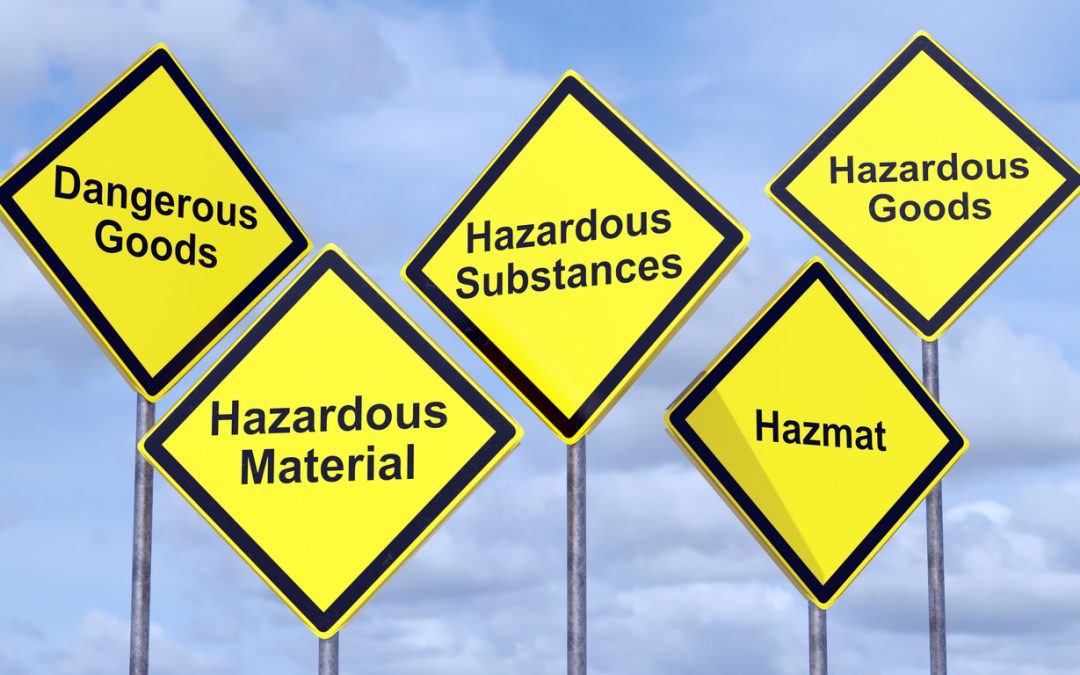
Businesses in manufacturing, automotive, healthcare, logistics, laboratories, and facilities management generate waste every day—but not all waste is the same. Some materials are regulated as hazardous waste, meaning they must be handled, stored, transported, and disposed of under strict federal and state laws. Failing to classify waste correctly can lead to heavy fines, shutdowns, environmental harm, and safety risks for workers.
This guide breaks down exactly what counts as hazardous waste, using plain language and industry-relevant examples. Whether you produce a few gallons a month or manage multiple waste streams across facilities, proper classification is essential for compliance.
1. What Is Hazardous Waste?
According to the EPA, hazardous waste is any discarded solid, liquid, sludge, or contained gas that—because of its chemical, physical, or biological properties—can pose a risk to human health or the environment.
A waste becomes “hazardous” if it meets either of the following:
-
It exhibits one of the four hazardous characteristics
-
It appears on one of the EPA’s hazardous waste lists
Understanding these definitions helps you determine whether your business needs compliant containment, labeling, manifesting, transportation, and disposal—services HazChem Environmental handles every day.
2. The Four Hazardous Waste Characteristics
A material is considered hazardous if laboratory analysis or knowledge-of-process shows it is:
Ignitable
These materials can catch fire easily.
Examples:
-
Waste gasoline or solvents
-
Alcohols
-
Paint thinners
-
Aerosol cans
Flash point: below 140°F
Corrosive
Highly acidic or alkaline materials that can corrode metal and cause burns.
Examples:
-
Caustic cleaning solutions
-
Acids used in manufacturing
-
Battery acid
pH: ≤ 2 or ≥ 12.5
Reactive
Unstable materials that can explode or release toxic gases.
Examples:
-
Old chemicals
-
Peroxides
-
Cyanides
-
Certain compressed gases
Toxic
Wastes that leach harmful contaminants when tested using the TCLP method.
Common contaminants include lead, chromium, cadmium, benzene, and pesticides.
3. EPA Hazardous Waste Lists: F, K, P, and U
Some wastes are automatically regulated because they appear on one of the EPA’s lists:
-
F-Listed Wastes – Common manufacturing and industrial wastes (e.g., spent solvents).
-
K-Listed Wastes – Industry-specific wastes (e.g., petroleum refining byproducts).
-
P-Listed Wastes – Acutely hazardous commercial chemicals.
-
U-Listed Wastes – Toxic commercial chemical products.
If your waste is on any of these lists, it must be managed as hazardous—no exceptions.
4. Common Business Wastes That Count as Hazardous
You may be generating hazardous waste without realizing it. Typical examples include:
-
Used solvents and solvent-soaked rags
-
Waste oil contaminated with metals or solvents
-
Paints, adhesives, and coatings
-
Fluorescent bulbs and lamps
-
Batteries (lead-acid, lithium-ion, NiCad)
-
Corrosive cleaning agents
-
Lab chemicals
-
Pesticides
-
Aerosol cans
-
Certain electronics and circuit boards
If you’re unsure, HazChem can profile and test your waste to determine the correct classification.
5. When Non-Hazardous Waste Turns Hazardous
Even materials that normally aren’t hazardous can become regulated if they’re contaminated.
For example:
-
Absorbents used to clean a fuel spill
-
Mop water from cleaning chemical storage areas
-
Soil contaminated by oil or solvent leaks
This is why proper spill response, secondary containment, and staff training are crucial.
6. Why Proper Classification Matters
Misclassifying waste can result in:
-
Federal and state penalties
-
OSHA violations
-
Environmental cleanup liabilities
-
Transport violations
-
Risk to employees
-
Damage to your facility or equipment
Proper classification ensures your waste is handled in full compliance from pickup to final disposal.
7. HazChem Environmental Can Help
HazChem provides full-service hazardous waste solutions:
-
Waste identification and profiling
-
Pickup and transportation
-
Certified disposal and recycling
-
Emergency spill response
-
Used oil, chemicals, paints, flammables, and more
-
Expertise with both hazardous and non-hazardous streams
If you’re unsure whether a material counts as hazardous waste, HazChem will help you determine the correct category and compliant disposal method.
About HazChem Environmental Corp:
HazChem Environmental provides hazardous waste clean-up, transportation, and disposal services; industrial recycling; wastewater treatment services; 24/7/365 emergency spill cleanups, safety training, and many more environmental services. For over 30 years, HazChem has provided these services to industrial, corporate, education, government, medical, and other industries.

Compliant. Responsive. Safe.
Call 630-458-1910 for immediate assistance. Open 24/7/365
For a FREE, no-obligation quote, click the button below